18 August 2026 | Bericht
LanguageDEDownloads
-
Industry profile 2026
PDF | 2 MB | Version as of: 18 August 2026 -
Industry profile 2026
PPTX | 11 MB | Version as of: 18 August 2026
The chemical-pharmaceutical industry is a key sector of the German economy. A large share of its products forms the starting point of industrial value chains. Through its revenue and investments, the industry makes a significant contribution to Germany’s prosperity.
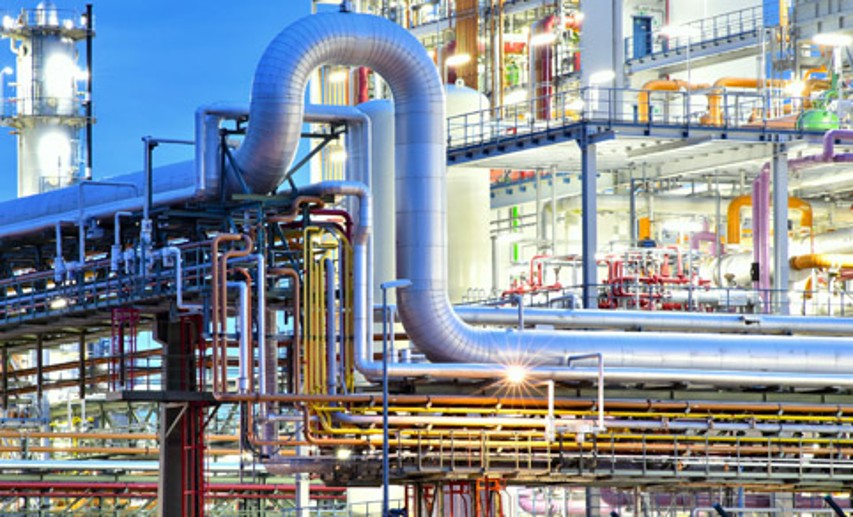
Profile of the Chemical and Pharmaceutical Industry in Germany
The chemical and pharmaceutical industry is one of Germany’s most important industrial sectors. With annual sales of €220 billion, approximately 476,300 employees, and more than 2,100 companies, it is a major driver of growth, innovation, and prosperity. The industry generates nearly 10 percent of total manufacturing turnover, making it Germany’s third-largest industrial sector.
Foundation of Industrial Value Creation
Chemical and pharmaceutical companies are at the beginning of numerous value chains. Their products are used across almost every area of the economy, from plastics processing, construction, and automotive manufacturing to healthcare. The industry is therefore an indispensable supplier to both business and society in Germany.
Its economic importance extends far beyond the sector itself. Every job in the chemical and pharmaceutical industry supports around two additional jobs elsewhere in the economy. Likewise, every euro of direct value added generates an additional €0.80 of value added in Germany.
Innovation-Driven and Globally Connected
The sector is among Germany’s most innovative industries. In 2025, it invested around €16 billion in research and development. Approximately three quarters of companies conduct their own R&D activities. With 47,100 employees working in research and development, Germany remains one of the world’s leading innovation hubs.
The industry is also highly international. Around 62 percent of sales are generated abroad, and in 2025 Germany exported chemical and pharmaceutical products worth more than €252 billion. This makes Germany one of the world’s most important locations for chemicals and pharmaceuticals.
Strong Mid-Sized Companies and Attractive Jobs
Small and medium-sized enterprises are the backbone of the industry. Ninety-six percent of companies employ fewer than 1,000 people. Many of them transform basic chemicals into high-value specialties, polymers, and consumer chemicals.
At the same time, the industry offers attractive employment opportunities. Average salaries are well above the industrial average. With nearly 8,800 trainees and a retention rate of 89 percent, the sector continuously invests in a highly skilled workforce.
Enabling the Industrial Transformation
The transition to a climate-neutral and circular economy will not succeed without chemistry. The industry develops and produces materials for batteries, wind turbines, solar technologies, power grids, and hydrogen infrastructure. At the same time, companies are advancing climate-neutral production processes, electrification, recycling solutions, and a broader raw material base through biomass, recyclates, and carbon utilization.
Chemistry is therefore a key enabler of transformation across industry and society. Innovations from the sector contribute to climate protection, resource efficiency, and new circular value chains.
An Agenda for Germany as a Business Location
To ensure that Germany remains a leading location for chemicals and pharmaceuticals, the right framework conditions are essential. Competitive energy prices, less bureaucracy, investment in infrastructure, and access to sustainable raw materials are critical. Equally important are reliable conditions for research, development, and digitalization.
Only with competitive framework conditions can the industry continue to fulfil its role as an engine of innovation, a partner in value creation, and a key industry driving economic transformation.
Please note:
In the download section at the top of this page, you will find a comprehensive portrait of the German chemical-pharmaceutical industry as well as a PowerPoint file with charts illustrating the most important facts and figures around the industry sector.
Contact
For questions or suggestions, please feel free to contact us.
